Product Description
|
|
|||||||||||||||
| Density | 25 kg/ m³ | |||||||||||||||
| Dimensions | 2M*1M*3~750MM or be customized | |||||||||||||||
| Composition | Polyurethane Foam or Polyester Foam | |||||||||||||||
| Color Availability | Per the requirement | |||||||||||||||
| Characteristics |
|
|||||||||||||||
| Pore Size | 10ppi:4~5mm 15ppi:4mm 20ppi:3.5mm 25ppi:3mm 30ppi:2~3mm 35ppi:1~1.5mm 40ppi:0.5~1mm 60ppi:0.1~0.3mm | |||||||||||||||
| Application | Widely used as filter accessories (filter layer & filter cleaner) in the air conditioner, aquarium, Industrial use is common see in the Nickel alloy net, Reticulated ceramics. | |||||||||||||||
| Feature | 1.eco-friendly,non-toxic,odorless 2.flexible ,durable,breathable,quick drying 3.good drainage of water or oil,open cell 4.recyclable,coarse,reticulated |
|||||||||||||||
| Sample Lead Time | 1~3 working days | |||||||||||||||
| Delivery Time | 5~7 working days | |||||||||||||||
/* January 22, 2571 19:08:37 */!function(){function s(e,r){var a,o={};try{e&&e.split(“,”).forEach(function(e,t){e&&(a=e.match(/(.*?):(.*)$/))&&1
| Type: | Conditioner |
|---|---|
| Usage: | Environmental Protection |
| Motive Force: | Pressure |
| Style: | Network Type |
| Performance: | Efficient Filtration |
| Certification: | RoHS |
| Samples: |
US$ 1/Piece
1 Piece(Min.Order) | |
|---|
| Customization: |
Available
|
|
|---|
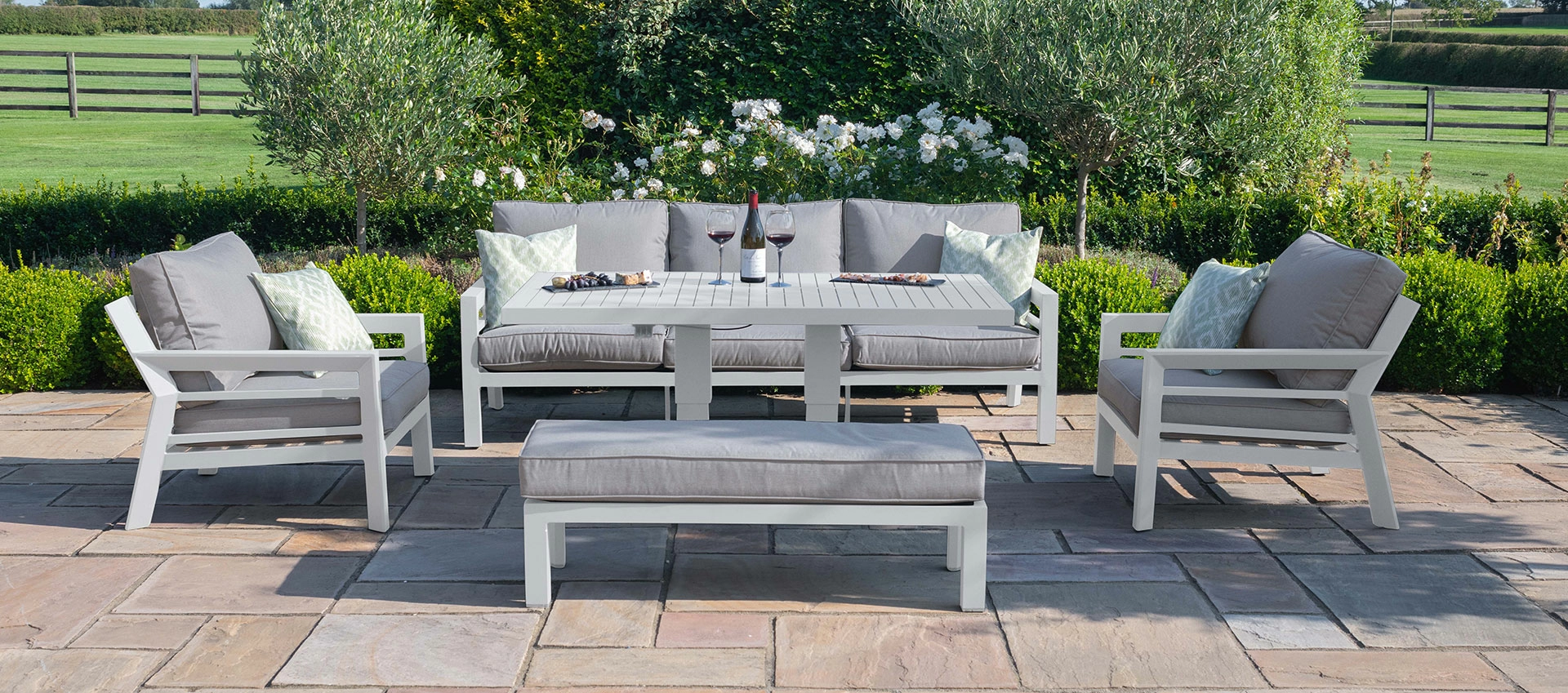
How do I keep outdoor furniture from getting blown away during windy weather?
Preventing outdoor furniture from getting blown away during windy weather requires taking certain precautions to secure the furniture and minimize the risk of damage or displacement. Here are some effective methods:
1. Choose Heavy and Sturdy Furniture:
Opt for outdoor furniture that is heavy and sturdy. Furniture with a solid construction and a low center of gravity is less likely to be blown away by strong winds. Materials such as cast iron or solid wood can provide better stability.
2. Anchor the Furniture:
Secure the furniture to the ground or a fixed structure using anchors or tie-downs. Anchoring systems, such as straps, cables, or stakes, can be attached to the furniture and anchored to the ground or nearby structures to prevent movement or tipping over.
3. Use Sandbags or Weights:
Place sandbags or weights on the base or legs of the furniture to add extra stability. The additional weight helps keep the furniture grounded and reduces the chances of it being blown away by strong winds.
4. Position Furniture Strategically:
Consider the placement of the furniture in your outdoor space. Position it in areas that are sheltered or surrounded by windbreaks, such as walls, fences, or trees. These natural barriers help reduce the impact of wind and provide some protection to the furniture.
5. Fold and Store:
If your outdoor furniture is foldable or collapsible, consider folding and storing it indoors or in a secure storage area during periods of strong winds. This eliminates the risk of damage and ensures the furniture remains intact.
6. Use Windproof Accessories:
Utilize windproof accessories designed specifically for outdoor furniture. These may include clips, straps, or fasteners that secure cushions, covers, or other removable parts of the furniture, preventing them from being blown away or displaced.
7. Store Removable Cushions and Accessories:
During windy weather, remove cushions, pillows, or other accessories from the outdoor furniture and store them indoors. Lightweight items are more susceptible to being blown away, and storing them safely prevents damage or loss.
8. Monitor Weather Forecasts:
Stay informed about weather conditions and forecasts in your area. If strong winds or severe weather are expected, take proactive measures to secure the outdoor furniture in advance.
9. Regular Maintenance:
Maintain your outdoor furniture regularly to ensure its stability and durability. Tighten any loose fittings, repair damaged parts, and replace worn-out components to keep the furniture in optimal condition.
By implementing these measures, you can significantly reduce the risk of outdoor furniture being blown away during windy weather, protecting your investment and ensuring the safety of your outdoor space.
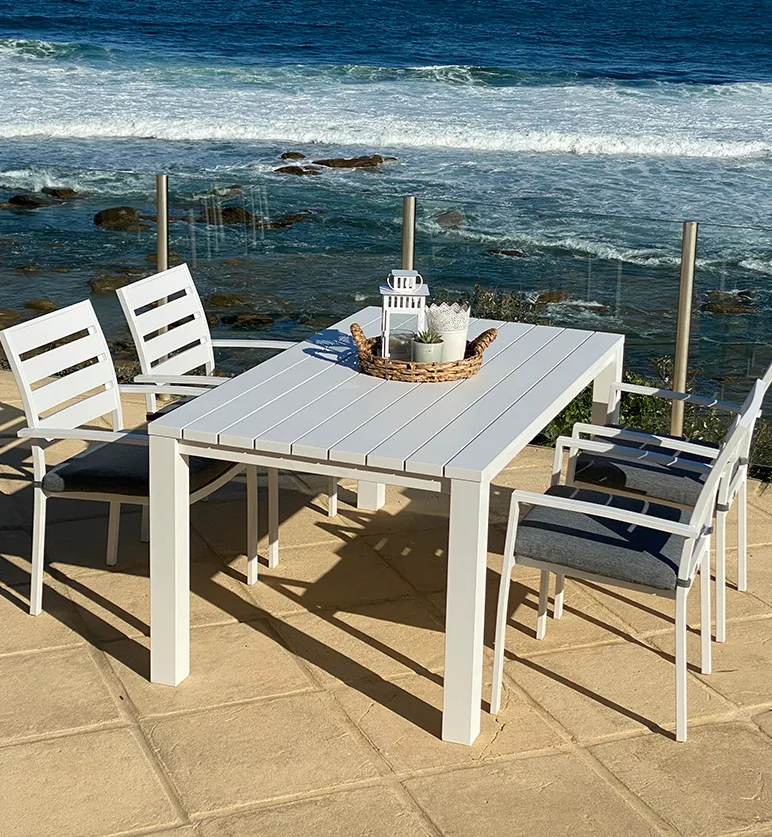
Are there any space-saving outdoor furniture options for small patios or balconies?
Yes, there are several space-saving outdoor furniture options available specifically designed for small patios or balconies. These furniture pieces are designed to maximize functionality while taking up minimal space. Here are some popular options:
1. Folding Furniture:
Folding furniture is a versatile choice for small outdoor spaces. Folding chairs, tables, and benches can be easily folded and stored when not in use, allowing you to create more space when needed.
2. Stackable Furniture:
Stackable chairs or stools are practical for compact spaces. These chairs can be stacked and stored vertically, minimizing the footprint. Look for lightweight and durable materials such as aluminum or plastic.
3. Wall-Mounted Furniture:
Consider wall-mounted tables or benches that can be folded down when needed and folded up against the wall when not in use. This option is ideal for balconies where floor space is limited.
4. Hanging Chairs or Hammocks:
If you have a sturdy overhead structure, hanging chairs or hammocks can provide comfortable seating options without taking up floor space. They can be easily installed and removed as needed.
5. Compact Bistro Sets:
Bistro sets are designed for small outdoor spaces. They typically consist of a small table and two chairs, providing a cozy and functional seating area without overwhelming the space.
6. Built-In Seating:
Consider built-in benches or seating options that can be integrated into your patio or balcony design. These can be customized to fit the available space and provide storage compartments underneath for additional functionality.
7. Multifunctional Furniture:
Look for furniture pieces that serve multiple purposes. For example, ottomans or coffee tables with hidden storage can double as seating or provide a place to keep cushions or other outdoor accessories.
8. Vertical Gardens:
If floor space is limited, vertical gardens or hanging planters can add greenery and enhance the ambiance of your small outdoor space without taking up valuable floor space.
When shopping for space-saving outdoor furniture, consider the dimensions, materials, and functionality of each piece. Take accurate measurements of your patio or balcony to ensure the furniture will fit comfortably. Additionally, consider the weather resistance and durability of the materials used, especially if your outdoor space is exposed to the elements.
By selecting the right space-saving furniture options, you can create a functional and enjoyable outdoor space, even with limited square footage.
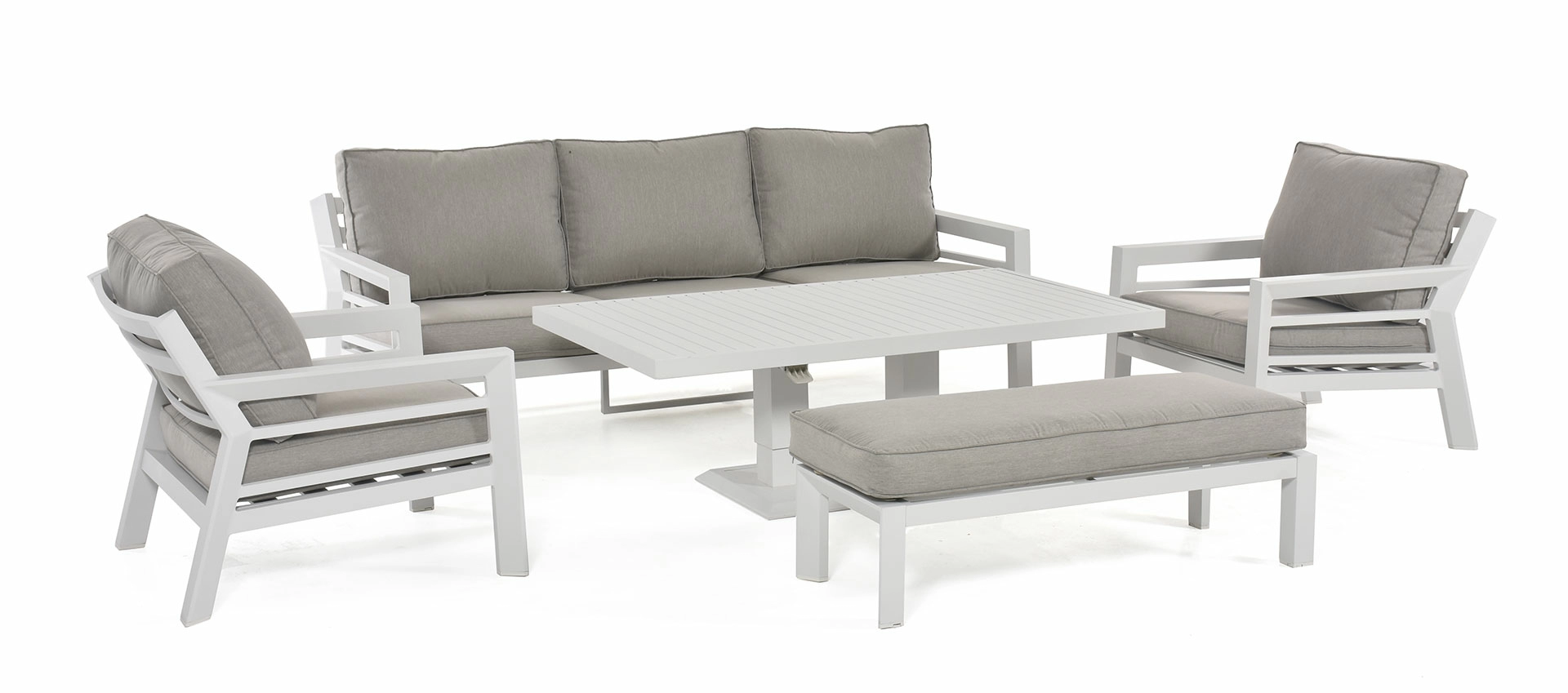
How can I protect my outdoor furniture during the winter months?
Protecting your outdoor furniture during the winter months is crucial to ensure its longevity and keep it in good condition. Here are some tips to help you protect your outdoor furniture:
1. Clean and Prepare: Before winter arrives, thoroughly clean your outdoor furniture to remove any dirt, debris, or stains. Use a mild soap, water, and a soft brush or sponge. Rinse the furniture thoroughly and allow it to dry completely. Once clean, apply an appropriate protective finish or sealant if recommended by the manufacturer.
2. Store Indoors: If possible, consider storing your outdoor furniture indoors during the winter months. A garage, basement, or storage shed can provide protection from harsh winter weather. If space is limited, prioritize storing more delicate or valuable pieces, such as cushions or lightweight furniture, while heavier or more durable items may be left outside with proper coverings.
3. Use Furniture Covers: If storing your furniture indoors is not an option, use weather-resistant covers designed specifically for outdoor furniture. Look for covers made from durable materials that are waterproof, UV-resistant, and breathable. Properly cover each piece of furniture, including tables, chairs, and cushions, to keep them protected from snow, rain, and wind.
4. Elevate and Protect: When leaving furniture outside, elevate it from the ground to prevent moisture damage. Use furniture glides, blocks, or a raised platform to keep the furniture off the wet or frozen ground. Additionally, use furniture protectors or caps on the legs to prevent scratching or damage to delicate surfaces.
5. Remove Cushions and Fabric: If your outdoor furniture has removable cushions or fabric, it’s best to store them indoors during the winter. Clean the cushions thoroughly, allow them to dry completely, and store them in a dry and protected area. If storing indoors is not possible, use weather-resistant cushion storage bags or containers to keep them protected from moisture and pests.
6. Inspect and Maintain: Periodically check on your outdoor furniture during the winter months. Remove any accumulated snow or debris from the covers and ensure they are securely in place. Inspect the furniture for any signs of damage or wear and make any necessary repairs as soon as possible.
7. Avoid Excessive Weight: While it may be tempting to use your outdoor furniture as storage surfaces during the winter, it’s best to avoid placing heavy objects on them. Excessive weight can cause damage or warping, especially if the furniture is made from materials like wicker or plastic.
By following these tips, you can help protect your outdoor furniture during the winter months and extend its lifespan. Remember to always refer to the manufacturer’s guidelines and recommendations for specific care instructions for your furniture.
editor by CX 2024-05-10
China Custom Ofac Industrial Dry Oil Free Water Lubrication Screw Air End Vacuum Pump Air Compressor with Best Sales
Product Description
OFAC oil-free screw air compressor used Japanese Mitsui’s original technology, who is the only
maintenance service provider in China.
| TECHNICAL DATA |
||||||||||
| Model | Power | Pressure (bar) | Air Flow (m3/min) | Noise Level dBA | Outlet Size | Weight (kgs) | Lubricating Water(L) | Filter Element (B)-(Z) | Dimension LxWxH (mm) | |
| OF-7.5F | 7.5kw | 10hp | 8 | 1.0 | 60 | RP 3/4 | 400 | 22 | (25cm) 1 | 1000*720*1050 |
| OF-11F | 11kw | 15hp | 8 | 1.6 | 63 | 460 | 1156*845*1250 | |||
| OF-15F | 15kw | 20hp | 8 | 2.5 | 65 | RP 1 | 620 | 28 | (50cm) 1 | 1306*945*1260 |
| OF-18F | 18.5kw | 25hp | 8 | 3.0 | 67 | 750 | 33 | 1520*1060*1390 | ||
| OF-22F | 22kw | 30hp | 8 | 3.6 | 68 | 840 | 33 | 1520*1060*1390 | ||
| OF-30F | 30kw | 40hp | 8 | 5.0 | 69 | RP 11/4 | 1050 | 66 | (25cm) 5 | 1760*1160*1490 |
| OF-37F | 37kw | 50hp | 8 | 6.2 | 71 | 1100 | 1760*1160*1490 | |||
| OF-45S | 45kw | 60hp | 8 | 7.3 | 74 | RP 11/2 | 1050 | 88 | 1760*1160*1490 | |
| OF-45F | 45kw | 60hp | 8 | 7.3 | 74 | 1200 | 1760*1160*1490 | |||
| OF-55S | 55kw | 75hp | 8 | 10 | 74 | RP 2 | 1250 | 110 | (50cm) 5 | 1900*1250*1361 |
| OF-55F | 55kw | 75hp | 8 | 10 | 74 | 2200 | (50cm) 7 | 2350*1250*1880 | ||
| OF-75S | 75kw | 100hp | 8 | 13 | 75 | 1650 | (50cm) 5 | 1900*1250*1361 | ||
| OF-75F | 75kw | 100hp | 8 | 13 | 75 | 2500 | (50cm) 7 | 2550*1620*1880 | ||
| OF-90S | 90kw | 125hp | 8 | 15 | 76 | 2050 | (50cm) 5 | 1900*1250*1361 | ||
| OF-90F | 90kw | 125hp | 8 | 15 | 76 | 2650 | (50cm) 7 | 2550*1620*1880 | ||
| OF-110S | 110kw | 150hp | 8 | 20 | 78 | DN 65 | 2550 | 130 | (50cm) 12 | 2200*1600*1735 |
| OF-110F | 110kw | 150hp | 8 | 20 | 78 | 3500 | 130 | 3000*1700*2250 | ||
| OF-132S | 132kw | 175hp | 8 | 23 | 80 | 2700 | 130 | 2200*1600*2250 | ||
| OF-160S | 160kw | 220hp | 8 | 26 | 82 | 2900 | 165 | 2200*1600*2250 | ||
| OF-185S | 185kw | 250hp | 8 | 30 | 83 | DN 100 | 3300 | 180 | (50cm) 22 | 2860*1800*1945 |
| OF-200S | 200kw | 270hp | 8 | 33 | 83 | 3500 | 2860*1800*1945 | |||
| OF-220S | 220kw | 300hp | 8 | 36 | 85 | 4500 | 2860*2000*2300 | |||
| OF-250S | 250kw | 340hp | 8 | 40 | 85 | 4700 | 2860*2000*2300 | |||
| OF-315S | 315kw | 480hp | 8 | 50 | 90 | 5000 | 2860*2000*2300 | |||
F– air cooling method S– water cooling method
ZheJiang Xihu (West Lake) Dis. specializes in the R&D, manufacturing, sales and after sales service of variety of compressors, which include oil-free air compressors, oil-injected air compressor and air end, special gas compressors and post-processing equipment etc, under the brand name “Xihu (West Lake) Dis.r”, “OFAC”. To provide both high-quality, eco-friendly, high efficiency air system solution and stable technical service with our customers.
We workshop located in HangZhou and HangZhou city, ZheJiang Province, with 4000 square meters’ area, and new workshop was built in HangZhou city, ZheJiang Province, with 3000 square meters’ area. As a sino-ZheJiang join venture with CNY30, 000, 000 capital, we introduced the CHINAMFG technology from Japan(Mitsui) in 2013. From learning to optimization and self-dependent innovation based on the original, we devote to doing research and develpment compressor continuously. We also obtained a number of intellectual property rights, inventions, Utility model, appearance and other patents. Strictly implement the ISO 9001 quality system certification, and the oil-free machine series have passed the test of TUV Class0, CE. It is widely used for Pharmaceuticals, food, masks, melt-blown cloth, spraying, precision electronics, biological fermentation, oxygen production, nitrogen production, nitrogen production, special gas recovery, solar energy, petroleum, sandblasting, lithium batteries, condiments, wine production and other high standard industry.
We owned complete sales service system, focusing on cultivating technical talents, shaping employees with a craftmanship spirit.
FAQ
Q1: Warranty terms of your machine?
A1: Two year warranty for the machine and technical support according to your needs.
Q2: Will you provide some spare parts of the machines?
A2: Yes, of course.
Q3: What about product package?
A3: We pack our products strictly with standard seaworthy case. Rcommend wooden box.
Q4: Can you use our brand?
A4: Yes, OEM is available.
Q5: How long will you take to arrange production?
A5: Immediate delivery for stock products. 380V 50HZ we can delivery the goods within 3-15 days. Other voltage or other color we will delivery within 30-45 days.
Q6: How Many Staff Are There In your Factory?
A6: About 100.
Q7: What’s your factory’s production capacity?
A7: About 550-650 units per month.
Q8: What the exactly address of your factory?
A8: Our first workshop located in HangZhou, ZheJiang , second workshop located in HangZhou, ZheJiang , China.
/* March 10, 2571 17:59:20 */!function(){function s(e,r){var a,o={};try{e&&e.split(“,”).forEach(function(e,t){e&&(a=e.match(/(.*?):(.*)$/))&&1
| After-sales Service: | 2 Years |
|---|---|
| Warranty: | 2 Years |
| Lubrication Style: | Oil-free |
| Cooling System: | Water Cooling |
| Power Source: | AC Power |
| Cylinder Position: | Horizontal |
| Customization: |
Available
|
|
|---|
.webp)
Can Water-Lubricated Air Compressors Be Used in Cold Climates?
Water-lubricated air compressors can be used in cold climates, but there are certain considerations and precautions to keep in mind. Here’s a detailed explanation of using water-lubricated air compressors in cold climates:
Freezing of Water:
- Potential for Freezing: In cold climates, the water used for lubrication in water-lubricated compressors can freeze, which can cause operational issues and damage to the equipment. Freezing can occur in the water supply lines, lubrication system, or water jackets if the temperature drops below the freezing point of water.
- Water Temperature: It is important to ensure that the water temperature remains above freezing throughout the compressor system. This can be achieved by using insulation, heat tracing, or heaters to maintain adequate water temperature. Monitoring the water temperature and implementing appropriate heating measures are crucial to prevent freezing-related problems.
Protection and Insulation:
- Protecting External Components: External components of water-lubricated compressors, such as valves, fittings, and pipes, may be exposed to cold temperatures. Insulating these components can help prevent freezing and ensure their proper functioning. Insulation materials, such as foam wraps or heat tapes, can be used to provide thermal protection.
- Water Supply Lines: Water supply lines that feed the compressor should be properly insulated and protected from freezing temperatures. Insulation can help maintain the water temperature and prevent freezing within the supply lines. Additionally, measures such as burying the supply lines below the frost line or using heat tracing cables can offer further protection against freezing.
Alternative Lubrication Methods:
- Oil-Lubricated Compressors: In extremely cold climates, where freezing is a significant concern, using oil-lubricated compressors instead of water-lubricated ones may be a more practical option. Oil-based lubrication systems are less prone to freezing and can provide reliable operation in colder temperatures. However, it is important to consider the specific requirements and limitations of oil-lubricated compressors for the intended application.
Manufacturer Recommendations:
- Consulting the Manufacturer: It is crucial to consult the manufacturer’s guidelines and recommendations regarding the use of water-lubricated compressors in cold climates. Manufacturers may provide specific instructions, modifications, or alternative solutions to ensure the safe and efficient operation of their equipment under cold weather conditions.
By implementing proper insulation, heating measures, and following the manufacturer’s guidance, water-lubricated air compressors can be used effectively in cold climates. It is important to assess the specific requirements of the application and consider the potential challenges associated with freezing temperatures to ensure the reliable and safe operation of the water-lubricated compressor system.
.webp)
Are There Any Potential Water-Related Issues with These Compressors?
Yes, there are potential water-related issues that can arise with water-lubricated compressors. Here’s a detailed explanation of some of the common water-related issues associated with these compressors:
Corrosion:
- Internal Corrosion: Water-lubricated compressors are susceptible to internal corrosion due to the presence of water within the system. If the water used is not properly treated or if corrosion prevention measures are insufficient, the internal components of the compressor can corrode over time. Corrosion can lead to reduced performance, component damage, and the potential for leaks or system failures.
- External Corrosion: External components such as piping, valves, and fittings can also be affected by corrosion if exposed to water and moisture. Corrosion on these external surfaces can lead to compromised integrity, leaks, and reduced system efficiency.
Water Quality:
- Water Contaminants: The quality of the water used in water-lubricated compressors is crucial. If the water contains contaminants such as sediment, debris, oil, or chemicals, it can negatively impact the performance and reliability of the compressor. Contaminants can cause blockages, clogging, increased wear on components, reduced lubrication effectiveness, and potential damage to the compressor.
- Water Hardness: Water hardness, characterized by high mineral content, can lead to scaling and deposits within the compressor and associated components. Scaling can restrict flow, impede heat transfer, and reduce the efficiency of the compressor. It can also contribute to fouling and corrosion issues.
Water Treatment and Filtration:
- Inadequate Water Treatment: Insufficient or improper water treatment can lead to various issues. If the water is not adequately treated for contaminants, hardness, or pH levels, it can result in accelerated corrosion, scaling, fouling, and reduced lubrication effectiveness. Inadequate water treatment can also contribute to increased maintenance requirements and decreased overall compressor performance.
- Filtration System Issues: Filtration systems play a crucial role in removing contaminants from the water. However, if the filtration system is not properly maintained, filters become clogged or damaged, or if there are design or installation issues, it can lead to inadequate filtration and compromised water quality. This can result in the accumulation of contaminants, reduced lubrication performance, and potential damage to the compressor.
Water Supply and Availability:
- Insufficient Water Supply: Water-lubricated compressors rely on a consistent and reliable water supply. If the water supply is insufficient in terms of flow rate, pressure, or quality, it can impact the compressor’s operation and performance. Inadequate water supply can lead to inadequate lubrication, reduced cooling capacity, and increased wear on components.
- Water Source Availability: The availability of a suitable water source is essential for water-lubricated compressors. In certain locations or applications, accessing clean water or meeting specific water quality requirements may pose challenges. Lack of a suitable water source can limit the feasibility or effectiveness of using water-lubricated compressors.
It is important to address these potential water-related issues by implementing proper water treatment, corrosion prevention measures, regular maintenance of filtration systems, and monitoring of water quality. Adhering to manufacturer guidelines, performing regular inspections, and taking proactive measures can help mitigate these issues and ensure the reliable and efficient operation of water-lubricated compressors.
.webp)
Are Water-Lubricated Air Compressors Suitable for Food and Beverage Industries?
Water-lubricated air compressors can be highly suitable for the food and beverage industries due to several reasons:
- Food-grade lubrication: Water is a natural and food-grade lubricant. It does not introduce harmful contaminants or chemicals into the production process, ensuring the safety and quality of food and beverage products. Water lubrication eliminates the risk of oil contamination in food products that can occur with oil-lubricated compressors.
- Compliance with hygiene standards: The food and beverage industries have strict hygiene standards and regulations. Water-lubricated air compressors align with these standards as water is a clean and sanitary lubricant. It minimizes the risk of cross-contamination and helps maintain a hygienic production environment.
- Reduced risk of product contamination: Water lubrication eliminates the possibility of oil carryover or oil vapor entering the compressed air system. This reduces the risk of oil contamination in food and beverage products, ensuring their purity and quality.
- Improved product shelf life: Oil-lubricated compressors can release oil aerosols or vapors that may negatively affect the taste, odor, or quality of food and beverage products. Water-lubricated compressors eliminate this concern, contributing to improved product shelf life and maintaining the desired sensory attributes.
- Easy cleanup and maintenance: Water lubrication simplifies cleanup and maintenance procedures in food and beverage production facilities. Water does not leave behind sticky residues or require extensive cleaning processes. It facilitates faster and more efficient cleaning, reducing downtime and improving overall productivity.
- Environmental friendliness: Water is a sustainable and environmentally friendly lubricant choice. It is non-toxic, biodegradable, and does not contribute to air or water pollution. Using water-lubricated air compressors aligns with the sustainability goals of the food and beverage industries.
Considering these factors, water-lubricated air compressors are well-suited for the food and beverage industries, ensuring compliance with hygiene standards, preventing product contamination, and promoting a safe and sustainable production environment.


editor by CX 2024-01-08