Product Description
Product Description
Mobile seedbed is the main supporting facility for modern protected agriculture seedling cultivation, and its main advantage is to increase the effective planting area. The layout of seedbeds can be arranged vertically or horizontally in the form of islands, but in either arrangement, only 1 “moving walkway” is needed, and the effective space utilization of greenhouses can be improved to more than 80% by using mobile seedbeds.
The main structure is made of aluminum alloy frame, design working life is 10 years; the grid is 130 mm x 30 mm, made of hot dip galvanized material, it is high corrosion resistance and good load-bearing capacity, design working life is 20 years.
Seedbed has good lateral movement, but can only move upward a little.
With the anti turning limiting device, it can prevent the tilt caused by heavy.
Between any 2 beds, can leave 0.6/0.8 m width access way.
★ Installation of mobile seedbed
1. Measure the placement position of the seedbed leg frame, line and fix the seedbed leg frame.
2. Every seedbed always wants to be straightened horizontally.
3. Link and placement of rolling pipes.
4. Placement of transverse supports.
5. Install the seedbed net and the frame of the seedbed net.
6. Seedbed network connection.
7. Install rollover prevention.
8. Installation is complete.
Product Parameter
| Product name | Rolling bench seedbed teble ebb and flow system |
| Size | 4ftx8ft,5.4ftx11.8ft,5.6ftx14.6ft,or customized |
| Standard height | about 70cm |
|
Material |
ABS tray |
|
Load Capacity |
70-90 KGS/SQM |
|
Composition |
End trays, middle tray and division trays |
|
Rolling range |
Around 30-40cm from middle to each side |
|
Application |
Greenhouse Hydroponics System,medicine,seeding,flower,vegetable |
|
Hot sale size |
4x8ft,4x10ft,5x10ft,5x20ft,Customized |
|
Payment Terms |
30% deposit before production and 70% balance before loading. |
|
CHINAMFG CHINAMFG |
(1)Five layer corrugated paper |
Main Products
Why Choose Us
Application
Company Profile
HangZhou Zewo Special Steel Co., Ltd. began to specialize in the production of greenhouse and greenhouse components in 2005.Our products are widely used in agricultural planting, scientific and technological research and development, leisure catering/entertainment, and other occasions and fields.Our products are reliable and long-lasting and backed by years of experience.
90% of our products are exported to all parts of the world.By leveraging our hard-won reputation for honesty, reliability and quality, HangZhou Zewo Special Steel Co., Ltd. aims to continue to be a CHINAMFG in sales.
At the same time we are looking overseas for global partners. If your company is an end user, distributor or agent of greenhouse products, please contact us.
We look CHINAMFG to working with you in the near future.
/* March 10, 2571 17:59:20 */!function(){function s(e,r){var a,o={};try{e&&e.split(“,”).forEach(function(e,t){e&&(a=e.match(/(.*?):(.*)$/))&&1
| Usage: | Seedbed |
|---|---|
| Size: | Large |
| Cover Material: | Mesh |
| Layer: | Single |
| ABS Tray Thickness: | 3.0mm |
| ABS Plastic Tray Height: | 60-70mm |
| Samples: |
US$ 10/Square Meter
1 Square Meter(Min.Order) | |
|---|
| Customization: |
Available
|
|
|---|
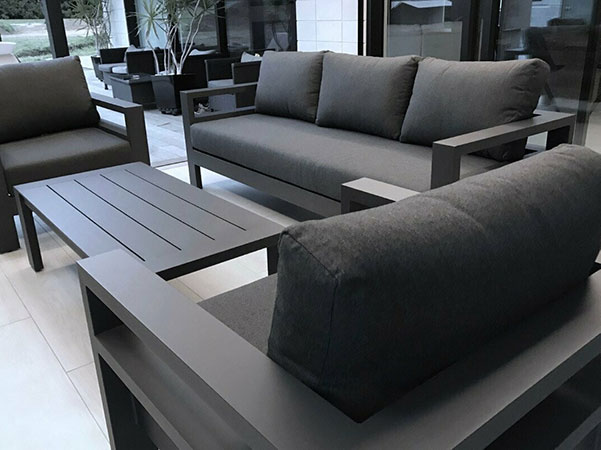
How can I arrange my garden furniture for comfortable outdoor gatherings?
To create a comfortable and inviting outdoor gathering space, the arrangement of your garden furniture plays a crucial role. Here are some tips to help you arrange your garden furniture for comfortable outdoor gatherings:
1. Determine the Focal Point:
Identify a focal point in your outdoor space, such as a fireplace, a garden feature, or a scenic view. Arrange your furniture to face this focal point, creating a visually appealing and functional layout.
2. Consider the Function:
Think about the purpose of your outdoor gatherings. Do you plan to have meals, conversations, or both? Consider the activities you intend to host and arrange the furniture accordingly. For dining-focused gatherings, position a dining table and chairs in a central location. For more conversational gatherings, create cozy seating arrangements with sofas, chairs, and coffee tables.
3. Create Conversation Areas:
Arrange your furniture to facilitate conversation and interaction among your guests. Place seating pieces facing each other, forming intimate conversation areas. Ensure there is enough space for easy movement and flow between the different seating arrangements.
4. Provide Ample Seating:
Ensure you have enough seating to accommodate your guests comfortably. Mix and match seating options such as chairs, benches, and outdoor sofas to offer variety and cater to different preferences. Consider adding cushions and pillows for extra comfort.
5. Provide Shade:
If your outdoor space is exposed to direct sunlight, consider providing shade to keep your guests comfortable. You can use umbrellas, pergolas, or shade sails to create shaded areas where people can gather without being exposed to excessive sunlight.
6. Arrange for Easy Access:
Arrange your furniture in a way that allows easy access to all areas. Ensure there are clear pathways and sufficient space for guests to move around comfortably. Avoid placing furniture in narrow or congested areas that may hinder movement.
7. Add Outdoor Accessories:
Enhance the comfort and ambiance of your outdoor gathering space by incorporating outdoor accessories. Consider adding outdoor rugs, side tables, decorative lighting, and potted plants to create a welcoming and cozy atmosphere.
8. Consider Weather Protection:
Depending on your climate, consider incorporating weather protection elements into your furniture arrangement. This can include adding a pergola, awning, or outdoor curtains to shield your guests from rain or strong winds.
9. Test the Layout:
Before finalizing the arrangement, physically test the layout by sitting in different seats and assessing the comfort and functionality. Make any necessary adjustments to ensure that the seating positions, table heights, and overall flow work well for your outdoor gatherings.
By considering the function, comfort, and aesthetics of your outdoor space, you can arrange your garden furniture in a way that promotes comfortable and enjoyable outdoor gatherings. Experiment with different layouts and configurations to find the arrangement that best suits your needs and creates a welcoming environment for your guests.

What are the ideal materials for garden furniture cushions that won’t absorb moisture?
When selecting cushions for garden furniture, it’s important to choose materials that won’t absorb moisture to ensure durability and easy maintenance. Here are some ideal materials for garden furniture cushions that are resistant to moisture:
1. Solution-Dyed Acrylic:
Solution-dyed acrylic is a popular choice for outdoor cushions as it is highly resistant to moisture absorption. The fibers are dyed before they are spun into yarn, resulting in color that permeates the entire fiber. This material is known for its fade resistance, water repellency, and resistance to mold and mildew. Solution-dyed acrylic cushions are also generally easy to clean and maintain.
2. Polyester:
Polyester is another suitable material for garden furniture cushions that won’t absorb moisture. It is naturally resistant to water and dries quickly. Polyester cushions are also generally resistant to fading, staining, and mildew. Look for cushions made from high-quality, outdoor-grade polyester fabric for optimal performance.
3. Olefin:
Olefin is a synthetic fiber that is resistant to moisture, mold, and mildew. It has excellent water repellency and dries quickly, making it a suitable choice for outdoor cushions. Olefin is also known for its durability and colorfastness, retaining its vibrant colors even with prolonged exposure to sunlight.
4. PVC-Coated Polyester:
PVC-coated polyester cushions are designed to be highly water-resistant. The polyester fabric is coated with a layer of polyvinyl chloride (PVC) that creates a waterproof barrier. This coating prevents moisture absorption and makes the cushions easy to clean. PVC-coated polyester cushions are often used in marine and outdoor settings due to their excellent water resistance.
5. Quick-Dry Foam:
In addition to the cushion fabric, consider the type of foam used inside the cushions. Quick-dry foam is a high-performance foam that is designed to allow water to quickly drain and evaporate. This foam helps prevent moisture retention inside the cushions, reducing the risk of mold and mildew growth. Quick-dry foam is an excellent choice for outdoor cushions that need to withstand wet conditions.
6. Mesh or Ventilated Fabrics:
Another option for moisture-resistant cushions is to choose fabrics with mesh or ventilated designs. These fabrics allow air to circulate more freely, facilitating faster drying and reducing the chances of moisture buildup. Mesh or ventilated cushions can be particularly beneficial in humid climates or areas prone to heavy rainfall.
When selecting cushions for your garden furniture, look for materials that offer both comfort and moisture resistance. Consider the specific climate and weather conditions in your area to ensure the cushions are suitable for outdoor use. Regular cleaning and proper maintenance will also help extend the lifespan of your cushions and keep them in good condition.
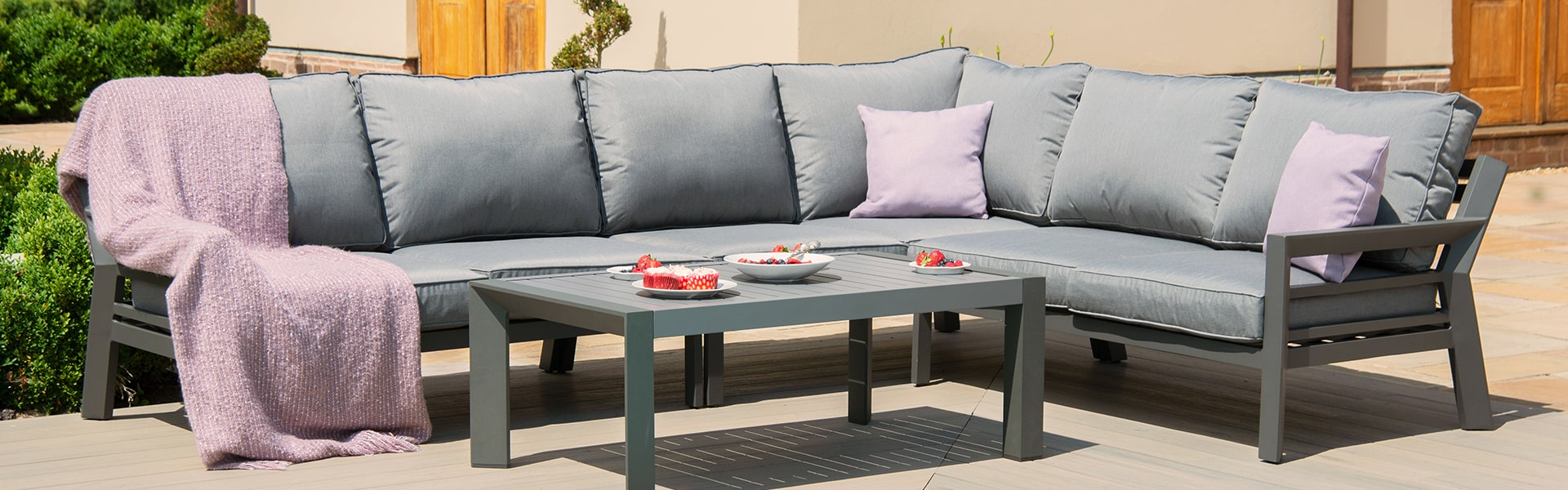
How do I clean and maintain my garden furniture to keep it looking new?
To keep your garden furniture looking new and well-maintained, regular cleaning and proper maintenance are essential. Here are some steps you can follow to clean and maintain your garden furniture:
1. Read the Manufacturer’s Instructions:
Before cleaning your garden furniture, refer to the manufacturer’s instructions and guidelines. Different materials and finishes may require specific cleaning methods or products. Adhering to the manufacturer’s recommendations ensures that you don’t accidentally damage the furniture.
2. Remove Debris:
Start by removing any loose dirt, leaves, or debris from your furniture. Use a soft brush or a cloth to gently sweep away the debris. Pay attention to crevices and corners where dirt may accumulate.
3. Clean with Mild Soap and Water:
For most types of garden furniture, a solution of mild soap and water is sufficient for cleaning. Mix a small amount of mild dish soap or a gentle outdoor furniture cleaner with water. Use a sponge or a soft cloth to clean the surfaces of the furniture, including the frames, tabletops, and seating areas. Rinse thoroughly with clean water afterward.
4. Address Stains Promptly:
If you notice any stains on your furniture, address them promptly. Blot liquid stains with a clean cloth and mild soap solution. For tougher stains, you may need to use a specialized cleaner recommended for the specific material of your furniture. Follow the instructions on the cleaner and test it on a small, inconspicuous area before applying it to the entire surface.
5. Treat Wooden Furniture:
If you have wooden garden furniture, additional care is required. Regularly inspect the wood for signs of cracking, peeling, or discoloration. If necessary, sand the surface lightly and apply a protective finish or outdoor furniture oil to maintain its appearance and protect it from moisture.
6. Maintain Metal Furniture:
Metal garden furniture may require occasional maintenance to prevent rust or corrosion. Check for any signs of rust and remove it using a wire brush or sandpaper. Apply a rust-resistant paint or a protective spray to any exposed metal surfaces.
7. Store or Cover:
When not in use, consider storing your garden furniture indoors or covering it with weatherproof furniture covers. This protects the furniture from the elements and extends its lifespan. Ensure that the furniture is clean and dry before covering or storing it to prevent the growth of mold or mildew.
8. Regularly Inspect and Repair:
Periodically inspect your garden furniture for any signs of wear, loose screws, or damaged parts. Tighten any loose screws or bolts and make necessary repairs promptly to prevent further damage.
By following these cleaning and maintenance practices, you can keep your garden furniture looking new and prolong its lifespan. Regular care and attention will help preserve its appearance and functionality for years to come.
editor by CX 2024-01-17
China Standard Top Selling CE Aprroved Piston Air Compressor Alum Air Pumps Italy Style Agriculture Industrial Construction Compressor manufacturer
Product Description
Product Description
Features
1. Complete variety and series:
The 0.5 ~ 0.7MPA series designed by modern concepts to the rehabilitation air compressor is used to gather new technological achievements of micro -small air compressors domestic and abroad.
2. Technical agglomeration, comprehensive performance of machinery:
The optimized design of the air valve can effectively reduce exhaust resistance and exhaust temperature, and increase the exhaust volume. Design a reasonable aluminum cylinder head, high heat dissipation CHINAMFG to achieve rapid heat dissipation, effectively reduce exhaust temperature, and reduce energy consumption. Use intake dumplings or exhaust load unloading devices to effectively reduce energy consumption.
Oil strikes are used to strike oil to form splashing oil fog, lubricating bearing tiles and bearing, and reliable operation.
3.Close to the actual needs of users:The complete series of products, the exhaust volume has been from small to large, which meets the needs of air mechanical and gas such as air -drifting machines such as pneumatic rock drills. There are diverse structures, suitable for different users. Low -quality, low investment costs.
Product specifications series parameters
| Model | HV-4.0/5 | HS-4.5/6 | HS-4.5/6C | |
|
Item |
Engine displacement m/min | 4 | 4.5 | 4.5 |
| Discharge pressure Mpa | 0.5 | 0.6 | 0.6 | |
| Crankshaft speedr/min | 970 | 980 | 980 | |
| Cylinders×cylinder diameter z×mm |
4×120 | 4×120 | 4×120 | |
| Piston stroke mm | 100 | 112 | 112 | |
| Volume of gas storage tank L | 230 | 200 | 230 | |
| Supporting motivation | L32diesel engine or 18.5kW,2pole motor |
25kW, 6pole motor |
QC490G 35kW diesel engine |
|
| Pressure control mode | Inlet Close |
Inlet Close |
Inlet Close |
|
| Lubricating mode | splashing | Oil pump forced pressure And oil strike splash |
Elastic sleeve pin coupling directly connected | |
| Cooling mode | Air cooling | Air cooling | Air cooling | |
| Driving mode | Clutch, triangular belt | Elastic sleeve pin coupling directly connected | Clutch, reducer Elastic sleeve pin coupling | |
| Dimension(mm) | 1900×1070×1260 | 1460×924×1210 | 2030×945×1560 | |
| Total weight(kg) diesel engine |
580 | — | 630 | |
| Total weight(kg) eclectic engine |
540 | 550 | — | |
| Model | 2V-4.0/5C | 2V-4.0/5P | 2V-4.0/5 | |
|
Item |
Engine displacement m/min | 4 | 4 | 4 |
| Discharge pressure Mpa | 0.5 | 0.5 | 0.5 | |
| Crankshaft speedr/min | 980 | 980 | 980 | |
| Cylinders×cylinder diameter z×mm |
4×125 | 4×125 | 4×125 | |
| Piston stroke mm | 100 | 100 | 100 | |
| Volume of gas storage tank L | 230 | 230 | 230 | |
| Supporting motivation | QC490G 35kW Four-cylinder diesel engine |
HS400 27kW Single-cylinder diesel engine |
22kW, 6pole motor |
|
| Pressure control mode | Inlet Close |
Inlet Close |
Inlet Close |
|
| Lubricating mode | splashing | splashing | splashing | |
| Cooling mode | Air cooling | Air cooling | Air cooling | |
| Driving mode | Clutch, reducer Elastic sleeve pin coupling | Clutch, triangular belt | Elastic sleeve pin coupling directly connected | |
| Dimension(mm) | 2120×895×1560 | 2100×945×1285 | 1900×930×1235 | |
| Total weight(kg) diesel engine |
680 | 492 | 680 | |
| Total weight(kg) eclectic engine |
580 | |||
FAQ
Q1: What’s your delivery time?
A: 15 days to produce, within 3 days if in stock.
Q2: What’s methods of payments are accepted?
A: We agree T/T ,L/C , West Union ,Money Gram ,Paypal.
Q3: What about the shipments and package?
A: 40′ container for 2 sets, 20′ container for 1 set,
Machine in nude packing, spare parts in standard export wooden box.
Q4: Have you got any certificate?
A:We have got ISO,CE certificate.
Q5: How to control the quality?
A: We will control the quality by ISO and CE requests.
Q6: Do you have after-sale service and warranty service ?
A: Yes, we have.We can supply instruction for operation and maintenance.If necessary, we can send our engineer to repair the machine in your company.
Warranty is 1 year for the machine.
Q7: Can I trust your company ?
A: Our company has been certificated by Chinese government,and verified by SGS Inspection Company.
| After-sales Service: | Online |
|---|---|
| Lubrication Style: | Oil-free |
| Cooling System: | Air Cooling |
| Customization: |
Available
|
|
|---|
.shipping-cost-tm .tm-status-off{background: none;padding:0;color: #1470cc}
|
Shipping Cost:
Estimated freight per unit. |
about shipping cost and estimated delivery time. |
|---|
| Payment Method: |
|
|---|---|
|
Initial Payment Full Payment |
| Currency: | US$ |
|---|
| Return&refunds: | You can apply for a refund up to 30 days after receipt of the products. |
|---|
.webp)
How are air compressors utilized in pharmaceutical manufacturing?
Air compressors play a crucial role in pharmaceutical manufacturing, where they are utilized for various critical applications. The pharmaceutical industry requires a reliable source of clean and compressed air to ensure the safety, efficiency, and quality of its processes. Here’s an overview of how air compressors are utilized in pharmaceutical manufacturing:
1. Manufacturing Processes:
Air compressors are used in numerous manufacturing processes within the pharmaceutical industry. Compressed air is employed for tasks such as mixing and blending of ingredients, granulation, tablet compression, coating, and encapsulation of pharmaceutical products. The controlled delivery of compressed air facilitates precise and consistent manufacturing processes, ensuring the production of high-quality pharmaceuticals.
2. Instrumentation and Control Systems:
Pharmaceutical manufacturing facilities rely on compressed air for powering instrumentation and control systems. Compressed air is used to operate pneumatic valves, actuators, and control devices that regulate the flow of fluids, control temperature and pressure, and automate various processes. The clean and dry nature of compressed air makes it ideal for maintaining the integrity and accuracy of these critical control mechanisms.
3. Packaging and Filling:
Air compressors are employed in pharmaceutical packaging and filling processes. Compressed air is used to power machinery and equipment for bottle cleaning, labeling, capping, and sealing of pharmaceutical products. Compressed air provides the necessary force and precision for efficient and reliable packaging, ensuring product safety and compliance.
4. Cleanroom Environments:
Pharmaceutical manufacturing often takes place in controlled cleanroom environments to prevent contamination and maintain product quality. Air compressors are used to supply clean and filtered compressed air to these cleanrooms, ensuring a controlled and sterile environment for the production of pharmaceuticals. Compressed air is also utilized in cleanroom air showers and air curtains for personnel and material decontamination.
5. Laboratory Applications:
In pharmaceutical laboratories, air compressors are utilized for various applications. Compressed air is used in laboratory instruments, such as gas chromatographs, mass spectrometers, and other analytical equipment. It is also employed in clean air cabinets, fume hoods, and laminar flow benches, providing a controlled and clean environment for testing, analysis, and research.
6. HVAC Systems:
Air compressors are involved in heating, ventilation, and air conditioning (HVAC) systems in pharmaceutical manufacturing facilities. Compressed air powers the operation of HVAC controls, dampers, actuators, and air handling units, ensuring proper air circulation, temperature control, and environmental conditions in various manufacturing areas.
By utilizing air compressors in pharmaceutical manufacturing, the industry can maintain strict quality standards, enhance operational efficiency, and ensure the safety and efficacy of pharmaceutical products.
.webp)
What safety precautions should be taken when working with compressed air?
Working with compressed air requires adherence to certain safety precautions to prevent accidents and ensure the well-being of individuals involved. Here are some important safety measures to consider:
1. Personal Protective Equipment (PPE):
Wear appropriate PPE, including safety goggles or a face shield to protect eyes from flying debris or particles, hearing protection to reduce noise exposure, and gloves to safeguard hands from potential hazards.
2. Compressed Air Storage:
Avoid storing compressed air in containers that are not designed for this purpose, such as soda bottles or makeshift containers. Use approved and properly labeled air storage tanks or cylinders that can handle the pressure and are regularly inspected and maintained.
3. Pressure Regulation:
Ensure that the air pressure is regulated to a safe level suitable for the equipment and tools being used. High-pressure air streams can cause serious injuries, so it is important to follow the manufacturer’s recommendations and never exceed the maximum allowable pressure.
4. Air Hose Inspection:
Regularly inspect air hoses for signs of damage, such as cuts, abrasions, or leaks. Replace damaged hoses immediately to prevent potential accidents or loss of pressure.
5. Air Blowguns:
Exercise caution when using air blowguns. Never direct compressed air towards yourself or others, as it can cause eye injuries, hearing damage, or dislodge particles that may be harmful if inhaled. Always point blowguns away from people or any sensitive equipment or materials.
6. Air Tool Safety:
Follow proper operating procedures for pneumatic tools. Ensure that tools are in good working condition, and inspect them before each use. Use the appropriate accessories, such as safety guards or shields, to prevent accidental contact with moving parts.
7. Air Compressor Maintenance:
Maintain air compressors according to the manufacturer’s guidelines. Regularly check for leaks, clean or replace filters, and drain moisture from the system. Proper maintenance ensures the safe and efficient operation of the compressor.
8. Training and Education:
Provide adequate training and education to individuals working with compressed air. Ensure they understand the potential hazards, safe operating procedures, and emergency protocols. Encourage open communication regarding safety concerns and implement a culture of safety in the workplace.
9. Lockout/Tagout:
When performing maintenance or repairs on compressed air systems, follow lockout/tagout procedures to isolate the equipment from energy sources and prevent accidental startup. This ensures the safety of the individuals working on the system.
10. Proper Ventilation:
Ensure proper ventilation in enclosed areas where compressed air is used. Compressed air can displace oxygen, leading to a potential risk of asphyxiation. Adequate ventilation helps maintain a safe breathing environment.
By adhering to these safety precautions, individuals can minimize the risks associated with working with compressed air and create a safer work environment.
What is the difference between a piston and rotary screw compressor?
Piston compressors and rotary screw compressors are two common types of air compressors with distinct differences in their design and operation. Here’s a detailed explanation of the differences between these two compressor types:
1. Operating Principle:
- Piston Compressors: Piston compressors, also known as reciprocating compressors, use one or more pistons driven by a crankshaft to compress air. The piston moves up and down within a cylinder, creating a vacuum during the intake stroke and compressing the air during the compression stroke.
- Rotary Screw Compressors: Rotary screw compressors utilize two intermeshing screws (rotors) to compress air. As the male and female screws rotate, the air is trapped between them and gradually compressed as it moves along the screw threads.
2. Compression Method:
- Piston Compressors: Piston compressors achieve compression through a positive displacement process. The air is drawn into the cylinder and compressed as the piston moves back and forth. The compression is intermittent, occurring in discrete cycles.
- Rotary Screw Compressors: Rotary screw compressors also employ a positive displacement method. The compression is continuous as the rotating screws create a continuous flow of air and compress it gradually as it moves along the screw threads.
3. Efficiency:
- Piston Compressors: Piston compressors are known for their high efficiency at lower flow rates and higher pressures. They are well-suited for applications that require intermittent or variable air demand.
- Rotary Screw Compressors: Rotary screw compressors are highly efficient for continuous operation and are designed to handle higher flow rates. They are often used in applications with a constant or steady air demand.
4. Noise Level:
- Piston Compressors: Piston compressors tend to generate more noise during operation due to the reciprocating motion of the pistons and valves.
- Rotary Screw Compressors: Rotary screw compressors are generally quieter in operation compared to piston compressors. The smooth rotation of the screws contributes to reduced noise levels.
5. Maintenance:
- Piston Compressors: Piston compressors typically require more frequent maintenance due to the higher number of moving parts, such as pistons, valves, and rings.
- Rotary Screw Compressors: Rotary screw compressors have fewer moving parts, resulting in lower maintenance requirements. They often have longer service intervals and can operate continuously for extended periods without significant maintenance.
6. Size and Portability:
- Piston Compressors: Piston compressors are available in both smaller portable models and larger stationary units. Portable piston compressors are commonly used in construction, automotive, and DIY applications.
- Rotary Screw Compressors: Rotary screw compressors are typically larger and more suitable for stationary installations in industrial and commercial settings. They are less commonly used in portable applications.
These are some of the key differences between piston compressors and rotary screw compressors. The choice between the two depends on factors such as required flow rate, pressure, duty cycle, efficiency, noise level, maintenance needs, and specific application requirements.


editor by CX 2023-12-06